

Blog
What to Do in the First 24 Hours After Water Damage
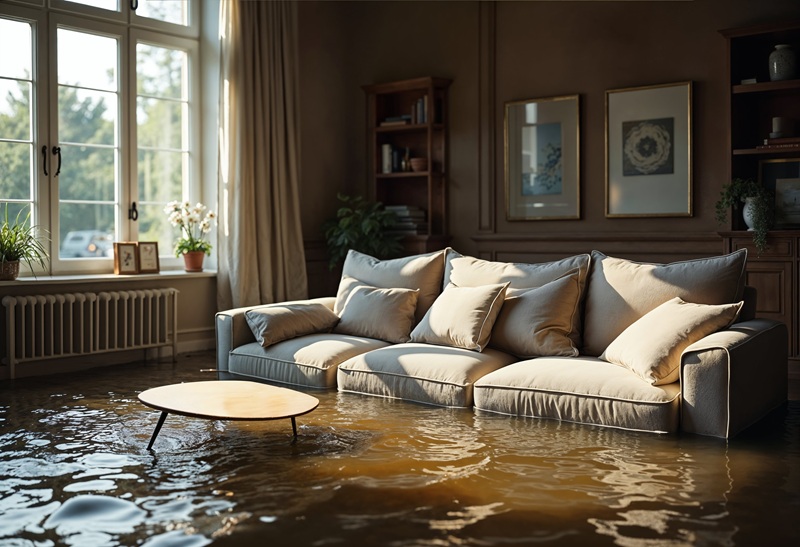
Water damage is time-critical. The first 24 hours after a leak, flood, or burst pipe can determine whether your property is fully restorable or suffers long-term structural and mold issues. Acting quickly and correctly can save thousands in repairs and prevent secondary damage.
Step 1: Ensure Safety First
Before doing anything, assess safety.
Shut off electricity to affected areas if water is near outlets or appliances.
Avoid standing water if there’s any chance of electrical contact.
If flooding is severe or caused by sewage, leave the area and call professionals immediately.
Your safety comes before property protection.
Step 2: Stop the Source of Water
If possible:
Turn off the main water supply.
Stop leaking appliances, pipes, or fixtures.
For roof or storm damage, apply temporary coverings if safe to do so.
Stopping the water source prevents further damage and makes cleanup effective.
Step 3: Document the Damage
Before cleanup begins:
Take clear photos and videos of all affected areas.
Capture damaged floors, walls, ceilings, furniture, and personal items.
Keep records for insurance claims.
This documentation helps speed up the claims process and ensures nothing is overlooked.
Step 4: Remove Standing Water
Standing water must be removed as soon as possible.
Use wet/dry vacuums or pumps for minor flooding.
Do not use household vacuums.
For large water volumes, professional extraction equipment is required.
The longer water sits, the deeper it penetrates building materials.
Step 5: Begin Drying and Ventilation
After extraction:
Open windows and doors if weather permits.
Use fans and dehumidifiers to improve airflow.
Remove wet rugs, carpets, and movable items.
Drying prevents swelling, warping, and mold growth—but surface drying alone is not enough.
Step 6: Protect Furniture and Belongings
Move furniture to dry areas.
Place aluminum foil or wood blocks under furniture legs to prevent staining.
Separate wet items to avoid cross-contamination.
Contents often require professional cleaning to prevent permanent damage.
Step 7: Watch for Mold Risks
Mold can begin forming within 24–48 hours.
Damp drywall, insulation, and carpets are high-risk.
A musty smell or discoloration is an early warning sign.
DIY drying cannot reach moisture trapped behind walls or under floors.
Ignoring moisture now leads to bigger health and repair issues later.
Step 8: Contact a Professional Restoration Company
Professional restoration teams:
Use industrial-grade drying and moisture detection equipment
Prevent hidden moisture from causing long-term damage
Assist with insurance documentation and claims
Restore both structure and contents safely
Early professional intervention often reduces total restoration time and cost.
Why the First 24 Hours Matter
Delays lead to:
Mold infestation
Structural weakening
Higher repair costs
Insurance complications
Fast, informed action protects your property and your peace of mind.