

Blog
Hidden Mold: Signs You Shouldn’t Ignore After a Flood or Leak
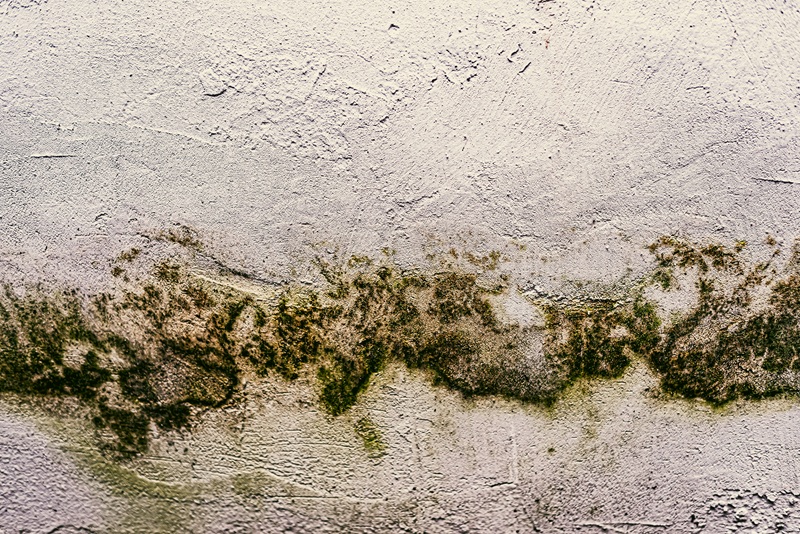
Mold is one of the most common and dangerous secondary issues following water damage. It often grows out of sight—behind walls, under flooring, or inside HVAC systems—making it easy to miss until it becomes a serious problem. Recognizing the early warning signs can prevent health risks and costly repairs.
Why Mold Grows After Water Damage
Mold thrives in moist, dark environments.
- Floods, leaks, and high humidity create ideal conditions
- Porous materials like drywall, carpet, and insulation absorb moisture
- Mold can begin growing within 24–48 hours
Even small leaks can lead to significant mold growth if left untreated.
Common Hidden Areas Where Mold Develops
Mold doesn’t always appear where water is visible.
- Behind drywall and baseboards
- Under carpets, vinyl, or hardwood flooring
- Inside insulation and ceiling cavities
- Around HVAC ducts and vents
- Behind cabinets and appliances
These areas require professional moisture detection tools to assess properly.
Warning Signs of Hidden Mold
Look out for these early indicators:
- Persistent musty or earthy odors
- Discoloration or staining on walls and ceilings
- Peeling paint or bubbling drywall
- Increased allergy symptoms or respiratory irritation
- Unexplained humidity or dampness
Ignoring these signs allows mold to spread further.
Health Risks Associated With Mold Exposure
Mold exposure can affect occupants differently.
- Irritation of eyes, nose, and throat
- Headaches and fatigue
- Aggravation of asthma or allergies
- Increased risk for children, seniors, and immunocompromised individuals
Long-term exposure increases health risks and should not be ignored.
Why DIY Mold Cleanup Is Risky
Surface cleaning does not eliminate hidden mold.
- Bleach does not kill mold roots inside porous materials
- Improper removal spreads spores to other areas
- Protective equipment and containment are required
DIY attempts often make the problem worse rather than solving it.
Professional Mold Inspection and Removal
Professional restoration teams:
- Use moisture meters and thermal imaging
- Identify the source of moisture fueling mold growth
- Safely remove contaminated materials
- Apply treatments to prevent regrowth
Eliminating the moisture source is key to long-term success.
Preventing Mold After Water Damage
To reduce mold risk:
- Address water damage immediately
- Ensure thorough drying of all affected areas
- Maintain proper ventilation and humidity levels
- Schedule professional inspections after floods or major leaks
Prevention is always less costly than remediation.