
Blog
Fire Damage Cleanup: What Homeowners and Businesses Should Know
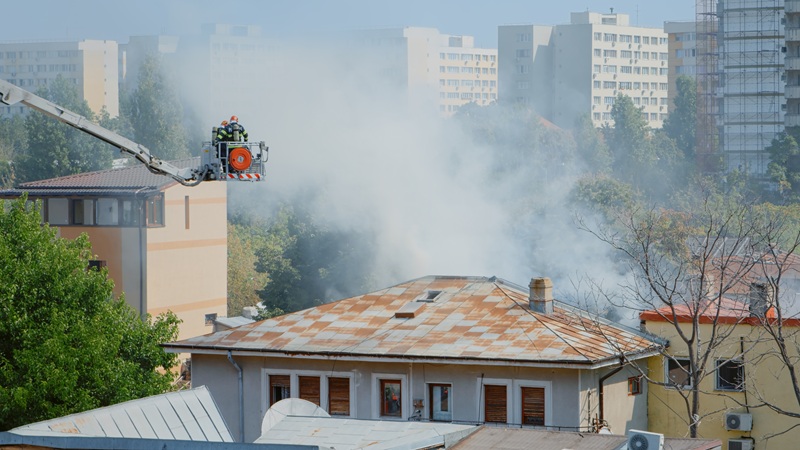
Fire damage doesn’t end when the flames are extinguished. Smoke, soot, water from firefighting efforts, and structural instability can continue to damage a property long after the fire is out. Understanding the cleanup and restoration process helps property owners act quickly, safely, and effectively.
Immediate Safety Concerns After a Fire
After a fire, properties can be hazardous.
Structural elements may be weakened or unstable.
Soot and ash contain toxic particles that can irritate lungs and skin.
Electrical systems may be compromised due to heat or water exposure.
Do not re-enter the property until it has been deemed safe by authorities or professionals.
Assessing the Extent of Fire and Smoke Damage
Fire affects more than the burned area.
Smoke travels through walls, ceilings, HVAC systems, and ducts.
Soot can permanently stain surfaces if not treated correctly.
Water used to extinguish the fire often causes secondary damage.
A professional assessment identifies both visible and hidden damage.
Soot and Smoke Residue Removal
Soot is acidic and continues to damage materials over time.
Different surfaces require different cleaning techniques.
Improper cleaning can spread soot further or permanently embed it.
Specialized equipment and cleaning agents are used to safely remove residue.
Timely removal prevents corrosion, discoloration, and lingering odors.
Odor Control and Air Quality Restoration
Smoke odor can persist long after cleanup if not properly treated.
Air scrubbers and filtration systems remove airborne particles.
Thermal fogging and ozone treatments neutralize deep-set odors.
HVAC systems must be cleaned to prevent odor recirculation.
Restoring air quality is essential for occupant health and comfort.
Water Damage From Firefighting Efforts
Water used to extinguish fires often leads to:
Saturated walls, floors, and insulation
Mold growth if not dried quickly
Structural swelling or warping
Fire and water restoration often go hand in hand and must be addressed together.
Contents Cleaning and Restoration
Many items can be restored rather than replaced.
Furniture, electronics, and documents may be salvageable
Specialized cleaning prevents further deterioration
Proper handling reduces replacement costs
Contents restoration is a critical part of the recovery process.
Working With Insurance After Fire Damage
Insurance claims can be complex.
Detailed documentation supports faster approvals
Restoration professionals often work directly with adjusters
Accurate estimates prevent under-coverage or delays
Professional support simplifies the claims process during a stressful time.
Why Professional Fire Restoration Matters
Fire damage restoration requires:
Specialized training and certifications
Advanced cleaning and drying equipment
Experience with safety, odors, and insurance requirements
Attempting DIY cleanup can increase damage and health risks.